
Every great machine starts with a single question: how do we make this work?
It sounds simple. But behind that question lies months of calculation, iteration, collaboration, and precision. And at the center of it all stands the mechanical design engineer, the person responsible for turning a business need into a functioning, manufacturable, and optimized machine.
In complex machinery projects, this role is not just technical. It is deeply strategic. The decisions made at the design stage ripple through every phase of a project, from fabrication costs and timelines to performance, safety, and long-term reliability. Understanding what a mechanical design engineer actually does, and why their involvement matters so much, can help businesses make smarter decisions before a single part is ever cut or welded.
More Than a Drafter: What a Mechanical Design Engineer Actually Does
There is a common misconception that a mechanical designer is simply someone who draws parts in CAD software. In reality, the role is far more layered.
A skilled mechanical design engineer is the bridge between an idea and a manufacturable product. They work to understand the functional requirements of a machine, the environment it will operate in, the loads it will experience, the materials best suited for each component, and the tolerances that will make assembly and operation reliable.
Their work typically includes:
Concept Development: Before any CAD model is built, the engineer explores multiple design approaches. They evaluate tradeoffs between simplicity, performance, cost, and manufacturability. This phase sets the foundation for everything that follows.
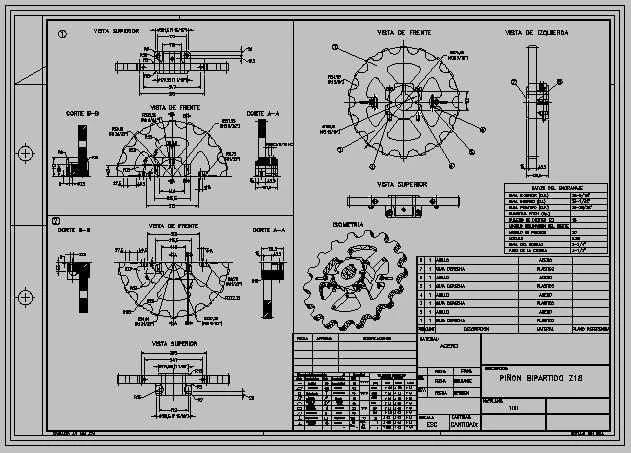
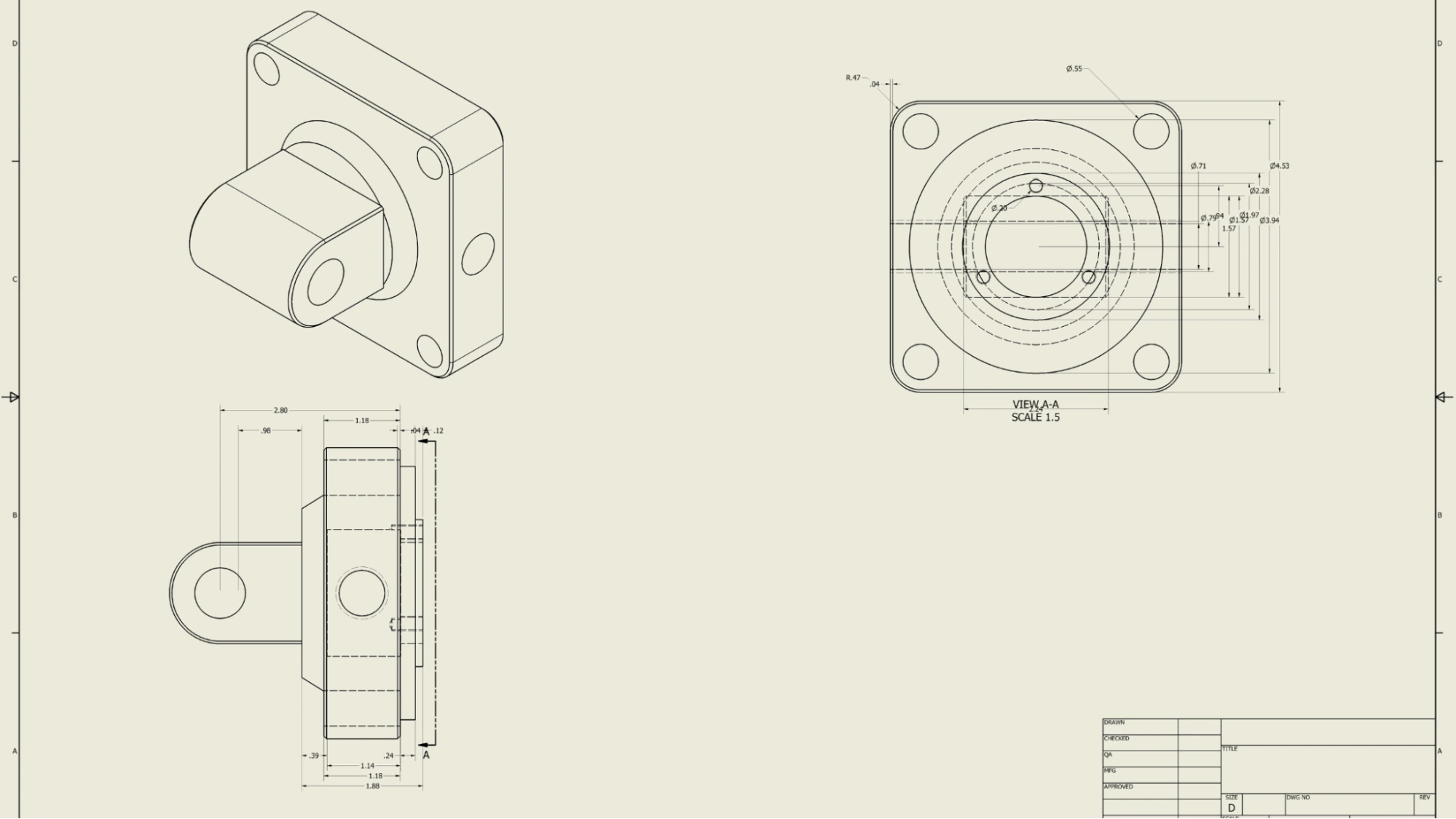
3D Modeling and Detailed Design: Using tools like SolidWorks, CATIA, or Autodesk Inventor, the mechanical design engineer creates precise 3D models and detailed engineering drawings. Every dimension, every tolerance, every material callout has a reason behind it.
Engineering Analysis: Stress analysis, thermal modeling, motion simulation, and finite element analysis (FEA) are common tools used to validate designs before any physical prototyping takes place. This reduces costly mistakes down the line.
Design for Manufacturability: A great mechanical designer always thinks about how a part will be made. A design that looks elegant on screen but is impossible to machine efficiently will cost the project time and money. DFM (Design for Manufacturability) principles are embedded into every decision.
Cross-functional Collaboration: The mechanical design engineer works closely with electrical engineers, controls specialists, fabricators, and project managers. Their drawings and models are the shared language that keeps everyone aligned.
The Strategic Impact at Each Project Phase
In complex machinery projects, the mechanical designer’s influence is not limited to the design office. Their contributions shape outcomes across the entire project lifecycle.
Phase 1: Feasibility and Scoping
At the earliest stage, an experienced mechanical design engineer helps assess whether a concept is actually buildable within the client’s constraints. They identify risks early, flag potential design challenges, and provide realistic input on lead times and component sourcing. This early involvement prevents expensive surprises later.
Phase 2: Design Development
This is where the engineer’s expertise shines most clearly. The choices made here, materials, tolerances, joining methods, drive system architecture, guarding strategies, directly determine how well the machine will perform and how long it will last. A mechanical designer who understands both engineering principles and real-world manufacturing realities produces designs that work the first time.
Phase 3: Fabrication Support
Even after drawings are released, the mechanical design engineer remains a critical resource. Questions arise on the shop floor. Fit-ups need adjustment. Suppliers may propose alternative components. The engineer evaluates these situations, issues revisions when needed, and ensures the build stays true to the design intent.
Phase 4: Commissioning and Optimization
During machine startup and testing, the mechanical designer helps troubleshoot issues and refine the machine’s performance. Their deep knowledge of the design means they can diagnose problems quickly and recommend targeted solutions without guesswork.

What Sets a Great Mechanical Designer Apart
Not every mechanical design engineer brings the same level of strategic value to a project. The difference between a competent designer and a truly exceptional one shows up in a few key areas.
Systems Thinking: Complex machinery is not a collection of individual parts. It is a system where every component interacts with others. A great mechanical designer sees the whole picture, anticipating how a change in one area affects the rest of the machine.
Practical Experience: There is no substitute for having stood on a shop floor, watched a machine run, and understood how real-world conditions differ from theoretical models. Engineers with hands-on fabrication and commissioning experience design better machines.
Communication Skills: Engineering decisions need to be communicated clearly to clients, fabricators, and project teams. A mechanical design engineer who can explain complex tradeoffs in plain language is an enormous asset on any project.
Continuous Learning: The tools, materials, and manufacturing technologies available to mechanical designers are always evolving. The best engineers stay current, incorporating new simulation tools, advanced materials, and innovative manufacturing methods into their work.
Why This Role Matters More in Complex Projects
Standard, off-the-shelf machinery can be specified by a procurement team. But when a project involves custom automation, specialized processing equipment, unique environmental constraints, or tight performance specifications, the stakes are fundamentally different.
In these situations, every design decision carries real consequences. An undersized drive system leads to premature failure. A poorly designed guarding system creates safety risks and regulatory exposure. A design that ignores maintenance access means costly downtime years into the machine’s life.
This is exactly where the mechanical design engineer earns their value. Their expertise transforms a complex set of requirements into a machine that performs reliably, safely, and efficiently for the long term. Businesses that invest in high-quality mechanical design at the outset consistently see better outcomes than those that treat design as a formality to be rushed through.
Partner With Engineers Who Think Strategically
If your next machinery project involves complexity, customization, or high-performance requirements, the quality of your mechanical design team will determine the quality of your outcome. This is not the stage of a project to cut corners.
At CustoMachinery, our team of experienced mechanical design engineers brings a strategic, practical, and collaborative approach to every project we take on. We do not just draw parts. We solve problems, anticipate challenges, and design machinery that is built to perform.
Whether you are at the concept stage or ready to move into detailed design, we invite you to reach out to our team and start a conversation about how we can bring your project to life.
Frequently Asked Questions
What is the difference between a mechanical design engineer and a mechanical designer?
In practice, the titles are often used interchangeably. A mechanical design engineer typically holds a formal engineering degree and takes on greater responsibility for analysis, calculations, and design validation, while a mechanical designer may focus more on CAD modeling and drafting. In complex projects, both roles are often part of the same team and collaborate closely.
At what stage of a project should a mechanical design engineer be involved?
As early as possible. Involving a mechanical design engineer during the feasibility and concept phase, rather than waiting until detailed design, allows the team to identify risks early, avoid costly redesigns, and set realistic expectations for cost and schedule from the start.
How does a mechanical designer contribute to cost control in machinery projects?
A skilled mechanical designer controls costs in several ways, including selecting appropriate materials, designing parts that are efficient to fabricate, minimizing the number of unique components, and catching errors in the virtual environment before they become expensive physical problems during fabrication or commissioning.
Ready to move your machinery project forward with a team that designs smarter? Contact CustoMachinery today and let’s build something exceptional together.