
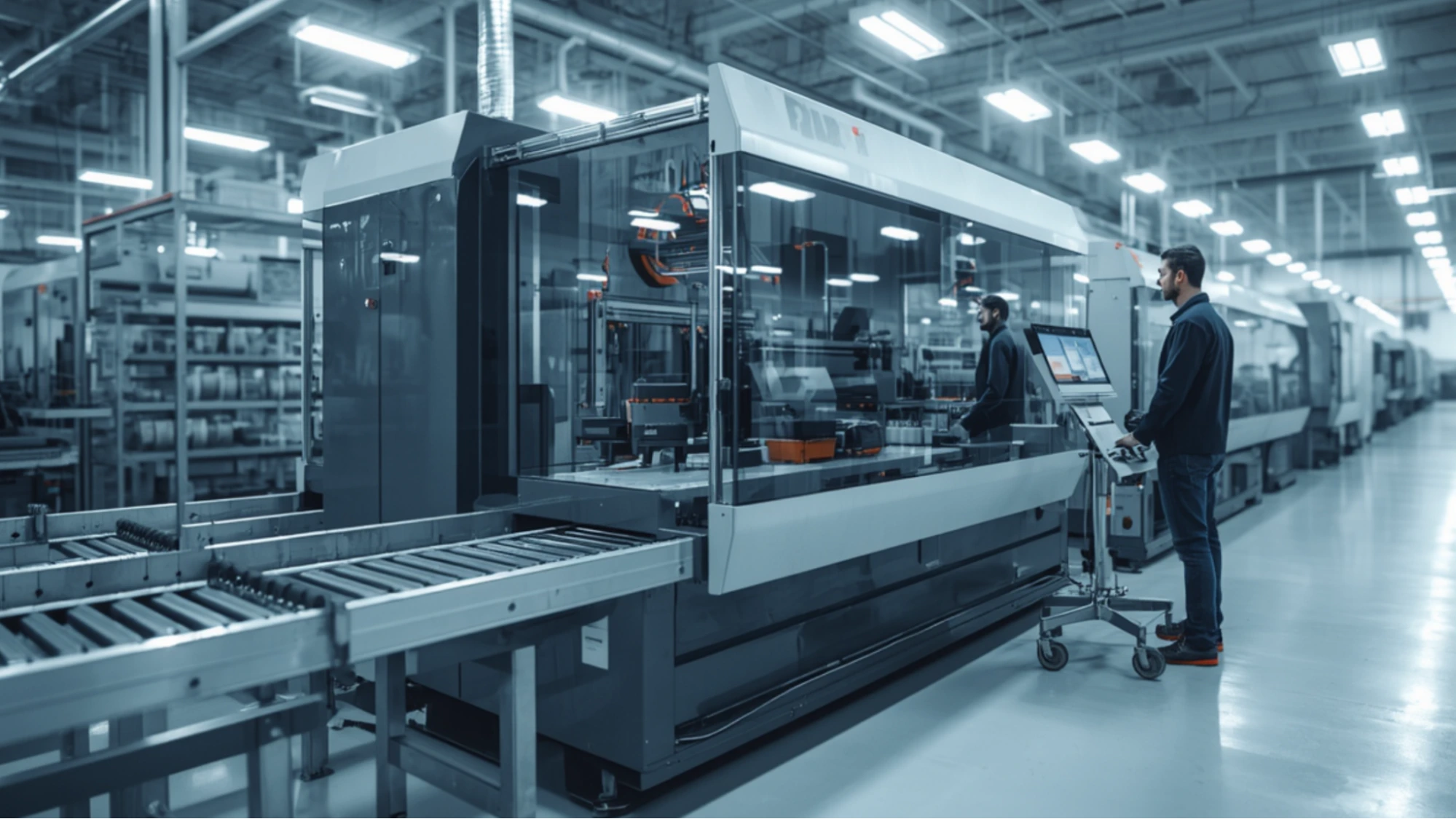
Most production floors carry a quiet inefficiency that nobody talks about. It hides in extra steps, awkward operator positions, oddly placed conveyors, and the small workarounds people have learned to live with. The cause is almost always the same. Somewhere along the line, a piece of equipment was bought first, and the workflow was rebuilt to accommodate it.
It feels practical at first. A standard machine is faster to source, often cheaper on the invoice, and easier to justify on a capital request. The problem shows up later. When operations have to bend around the machine, you start paying for that mismatch every single shift. Slower cycle times. More handling. Higher labor costs. More quality issues. Less flexibility.
Designing machinery around the workflow flips that equation. Instead of asking what equipment can fit into a space, the question becomes how work actually moves through this space, and what the machine should look like to support that. The shift sounds small. The impact is anything but.
Why Off-the-Shelf Machinery Quietly Costs More Than It Saves
Off-the-shelf equipment is built for the average customer. That sounds harmless until you realize that almost no production line is average. Each plant has its own product mix, its own batch sizes, its own throughput targets, its own ceiling heights, its own operator skill levels, and its own upstream and downstream constraints.
When standard equipment lands in a non-standard environment, something has to give. Usually, it is the workflow. Operators take extra steps. Material handling teams run more loops. Quality teams add inspections to catch defects that the machine introduces because it was never tuned for the actual product. None of these costs appear on the original purchase order, but they show up clearly in OEE reports, in scrap rates, and in payroll.
A custom machine designed around the workflow does the opposite. It absorbs the constraints of the environment. It places controls where the operator stands, sequences operations to match the natural flow of materials, and integrates cleanly with the equipment on either side of it. Smart mechanical design starts with the people and the product, not the catalog.
What Workflow-First Design Actually Looks Like in Practice
Workflow-first design begins long before the first CAD file. It begins with watching. A good mechanical design engineer will spend time on the floor before sketching anything. They watch how parts arrive, how operators handle them, where bottlenecks form, where rework happens, and what the team has improvised to keep production moving.
From there, the design process generally covers a few key questions: How do raw materials and finished products move through the cell? The machine should fit that motion, not interrupt it. Where do operators stand and reach? Ergonomics is not a nice-to-have. It directly affects throughput, fatigue, and turnover.
What other equipment connects to this one? Conveyor heights, control protocols, and timing all need to align. What happens when the product changes? A machine that handles only one variant is brittle. The right design anticipates the next product, not just the current one. What does maintenance access look like? If a technician has to tear apart a guard to swap a sensor, the design has already failed.
When a mechanical design engineer answers these questions before drawing anything, the resulting machine looks different from a catalog model. The footprint is shaped to the cell. The control panel sits where the operator naturally pauses. The infeed lines up with the existing conveyor. Maintenance points are exposed without sacrificing safety. None of this is luxury. It is just good machinery design.
The Hidden Return on Investment
Workflow-first machinery design tends to deliver returns in places the original spreadsheet did not consider.
Cycle times improve because the machine is not waiting on awkward handoffs. Operators move less, so fatigue drops and quality stabilizes. Changeovers shrink because the engineer designed for the actual product mix rather than a generic case. Floor space recovers because the machine fits its cell instead of demanding clearance for a non-existent application.
These gains compound. Every shift, every batch, every product run benefits. After a year or two, the difference between a workflow-first machine and a forced-fit standard machine can outweigh the original cost gap several times over.
Common Signals That Your Workflow Is Fighting Your Equipment
You do not need a consultant to spot the symptoms. They tend to show up in patterns most teams already see but explain away.
Operators have built informal jigs and fixtures around a machine to make it usable. Material handlers spend more time positioning parts than the machine spends processing them. Maintenance is reactive rather than scheduled because access is difficult. Quality issues cluster around handoffs rather than the machine itself. Changeovers eat far more time than the spec sheet suggested.
When several of these patterns appear, the workflow is paying a tax on the equipment. The fix is rarely a faster machine. It is a machine that fits the way work actually happens.
How to Make the Shift Without Disrupting Production
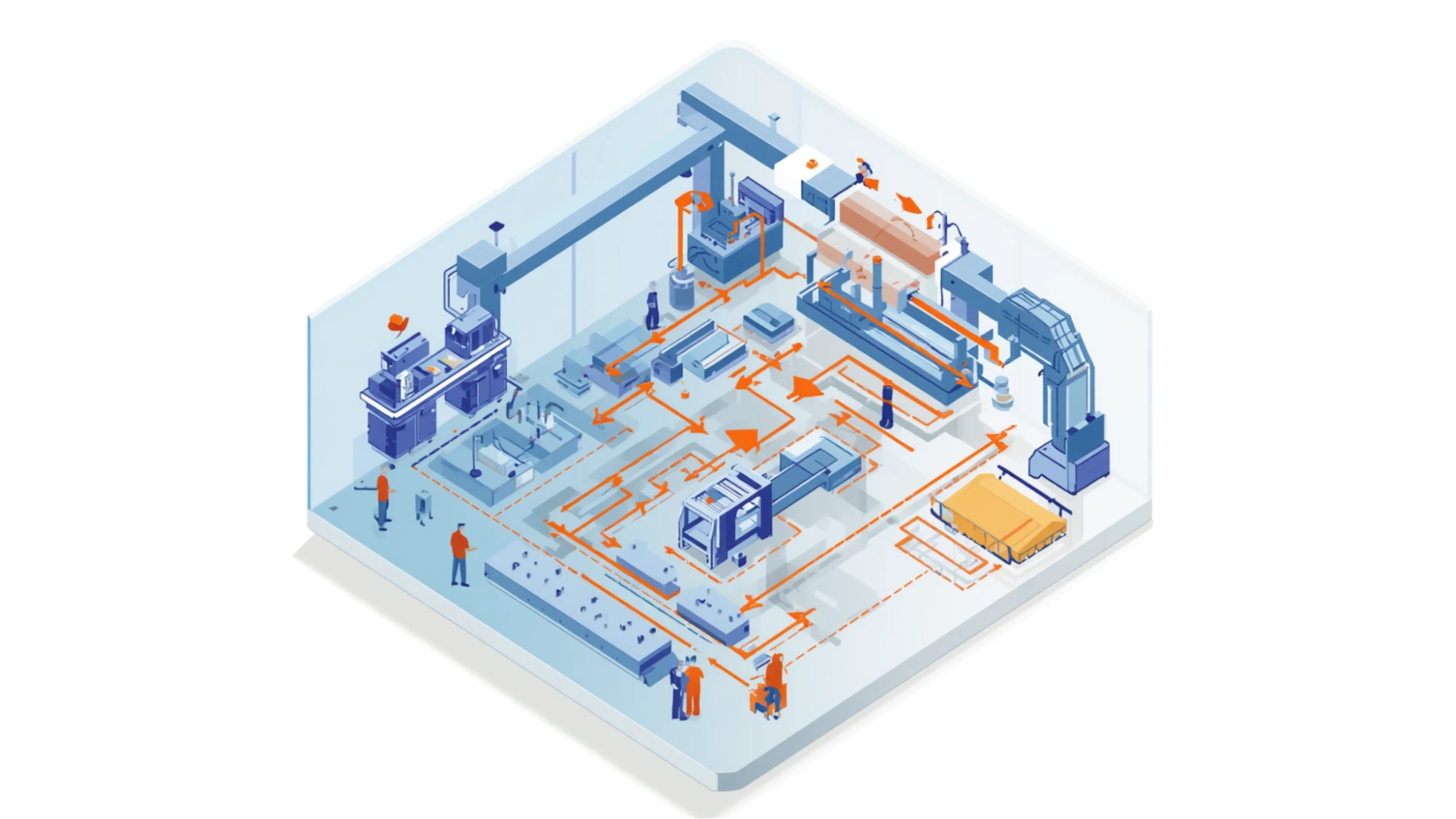
Switching from equipment-first to workflow-first thinking does not require ripping out the floor. Most plants make the change gradually, project by project. The first step is to map the workflow honestly, including the workarounds. Once those are visible, every future capital request can be evaluated against them.
When new equipment is needed, the brief should describe the workflow, the constraints, and the goals before listing technical specs. A capable mechanical design engineer can read between those lines and propose a machine that fits the real environment instead of forcing the environment to fit a catalog page.
The result is a production line where the equipment feels invisible. Operators stop noticing the machine because there is nothing fighting them. Material flows. Maintenance happens on schedule. Output rises without anyone needing to push harder.
Build Machinery That Works the Way Your Plant Works
Forcing your workflow to match your equipment is one of those decisions that looks efficient on paper and expensive on the floor. Designing machinery around your workflow takes more thought up front, but it pays back every shift in reduced friction, higher throughput, and better product quality.
If your current line feels like it is working around its equipment more than working with it, it is probably time to rethink the approach. CustoMachinery designs custom industrial equipment built around the way your operation actually runs, not the other way around. From concept and CAD to FEA validation and final commissioning, our team builds machinery that fits your workflow the first time. Reach out today to talk through your next project, and let our mechanical design engineers create equipment that works for your floor instead of fighting against it.
Frequently Asked Questions
Is custom machinery always more expensive than off-the-shelf equipment?
Not always. The upfront cost can be higher, but workflow-first machines usually pay back through better throughput, lower labor costs, and fewer quality issues. Total cost of ownership often lands lower than off-the-shelf alternatives over the life of the equipment.
How long does it take to design and build a custom machine?
Lead times vary by complexity, but most custom industrial projects run between three and nine months from concept to commissioning. Phased approaches and modular sub-assemblies can shorten that timeline for urgent needs.
Can custom machinery integrate with our existing equipment and software?
Yes. A skilled mechanical design engineer plans for mechanical, electrical, and software integration from the start, including PLC compatibility, conveyor heights, safety systems, and data reporting requirements.