
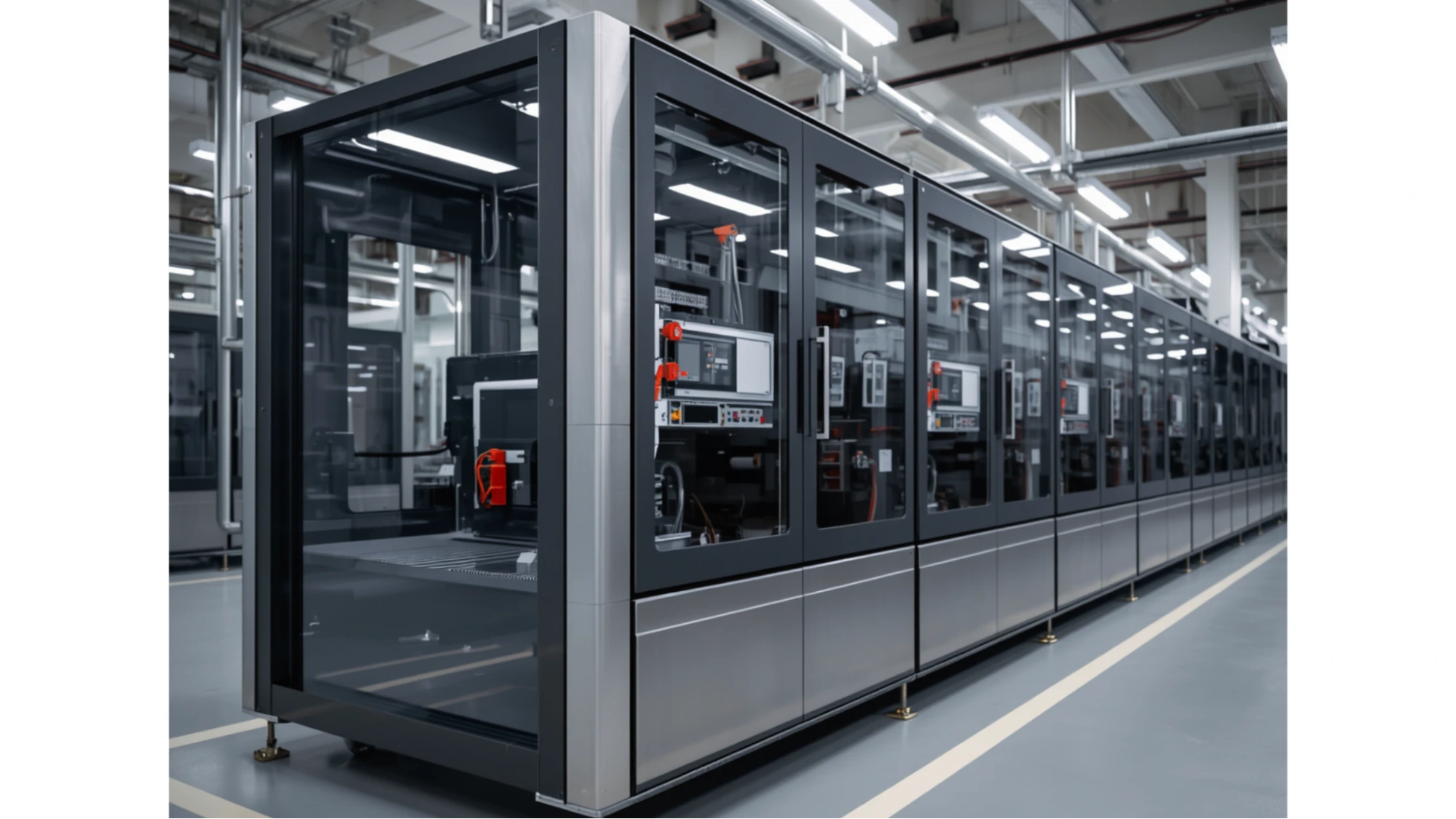
Manufacturing today moves faster than the equipment that supports it. Product specs change. Customer demands shift. New regulations appear. Materials evolve. A line that looked perfect three years ago may be running below capacity now, not because the machines failed, but because the work they were built for has changed.
Modular machinery design is the response to that reality. Instead of building a single fixed machine that locks a plant into one product or one process, modular design breaks the equipment into independent sections that can be reconfigured, upgraded, or swapped as needs evolve. The benefit is not just flexibility. It is a longer useful life, lower upgrade costs, and a production line that grows alongside the business rather than blocking it.
What Modular Machinery Actually Means
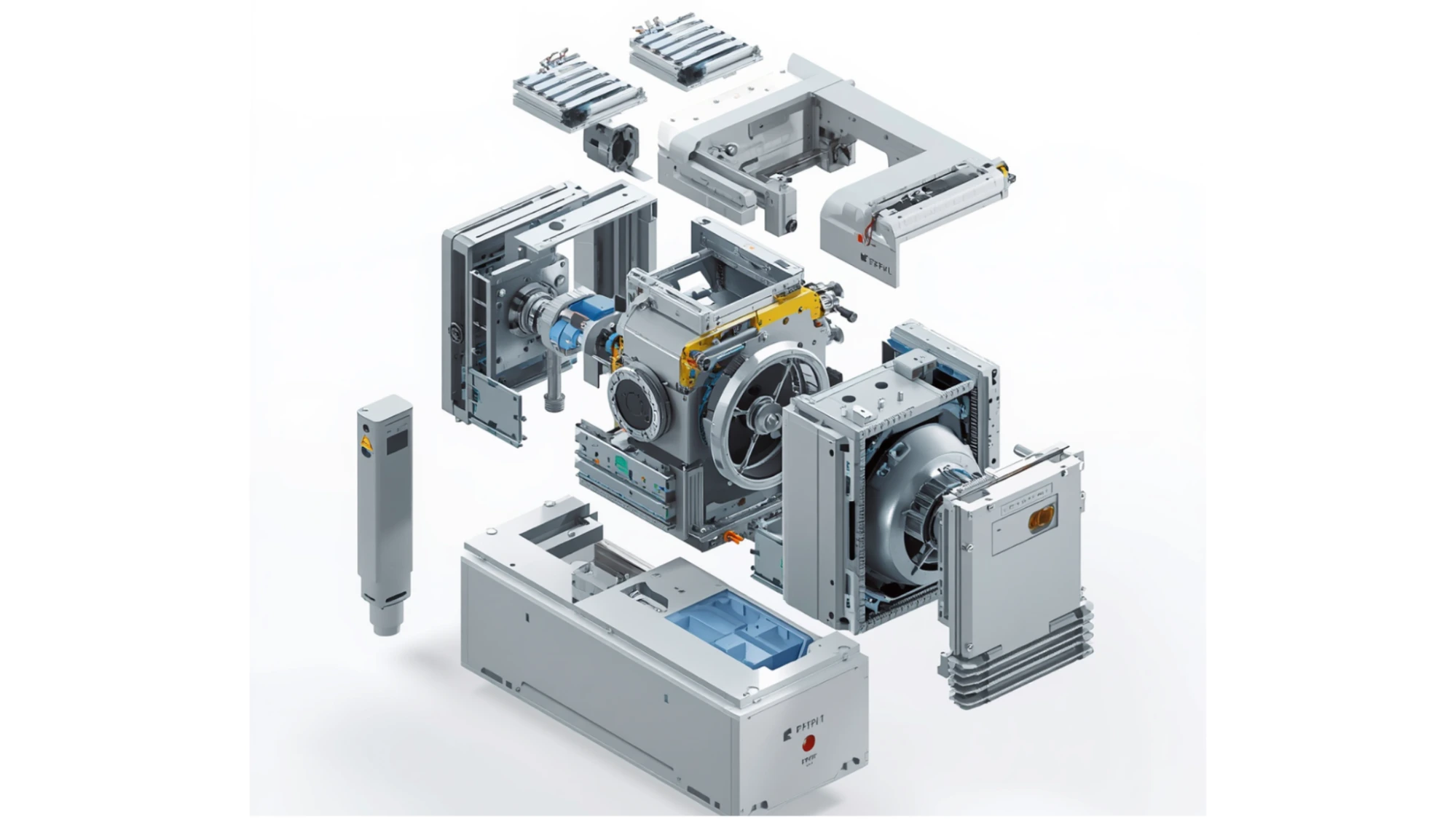
Modular machinery is built from interchangeable sub-units, each handling a specific part of the process. Loading, conveying, processing, inspection, and packaging can each live in its own module, connected through standardized mechanical, electrical, and control interfaces.
Because the modules share common interfaces, they can be repositioned, upgraded, or replaced without rebuilding the entire line. A new product variant might require a different feeder. A higher production target might call for an additional processing station. A regulatory update might mean adding an inspection. In each case, the change touches one module rather than the whole machine.
This approach has been around in industrial machinery design for decades, but the toolset has matured. Standardized frames, plug-and-play controls, common safety architectures, and digital twins now make modular design practical even for highly specialized equipment.
Why Fixed Design Machines Age Poorly
A fully integrated fixed design machine often looks elegant on day one. Fewer interfaces, fewer connection points, simpler control logic. The trouble starts later.
When a single product change forces a redesign of half the machine, the cost of every upgrade balloons. When a single component reaches the end of life, the OEM may require a full controls retrofit. When a plant wants to add capacity, the only path is buying another full machine, which may not even fit in the cell.
Fixed design machines also tend to lock the plant into the original supplier. Replacement parts, software updates, and modifications all run through one vendor. That dependency feels manageable in year one. By year five, it can be the single biggest constraint on the operation.
Modular design avoids most of this. Because each section is independent, individual modules can be updated without touching the rest. New control technology can replace old PLCs in one section while the others keep running. Product changes can be tested on a single module before rolling out across the line.
The Flexibility Advantage in Numbers
Production flexibility is hard to quantify until a change shows up. Then the numbers become very real.
A plant running fixed design equipment that needs a new product variant typically faces weeks of downtime, full integration testing, and significant capital expense. The same change on a modular line might take days, with one module swapped or reconfigured while the rest of the equipment continues to run.
Capacity changes follow a similar pattern. Adding a second processing module to a modular line is straightforward. Doubling the throughput of a fixed design machine often requires a second machine and the floor space to match. Even smaller changes, like adding vision inspection to meet a new customer requirement, are simpler with modular machinery design. The new module connects through existing interfaces, takes power from the same backbone, and reports through the same control system.
Plants that adopt modular thinking tend to report two consistent benefits. Faster response to market changes. Lower lifetime cost per unit produced.
What Good Modular Design Looks Like Under the Hood
Not all modular machines are created equal. Some are modular in marketing only, with proprietary interfaces that lock the plant into a single supplier. Real modular machinery design is built on a few core principles.
Mechanical interfaces should be standardized so modules can be added, removed, or rearranged without custom fabrication. Electrical interfaces should follow common protocols, ideally with quick-connect harnesses and shared safety circuits. Control architecture should allow modules to be programmed independently and orchestrated through a central system that any qualified team can maintain.
Documentation is just as important as the hardware. A modular line is only as flexible as the diagrams, software code, and maintenance procedures that describe it. Without clear documentation, even a physically modular machine becomes hard to upgrade.
A skilled mechanical design engineer plans for all of this from the start. The frames are sized so future modules can attach without floor changes. The control cabinets are sized for additional cards. The cabling has spare runs. The software is structured around modules rather than as a single monolithic program.
Future Proofing Without Overbuilding
There is a balance to strike. Modular design opens the door to future upgrades, but every interface and standardized fitting has a cost. Overbuilding a machine just in case can erase the savings that modular design is supposed to deliver.
The art is in identifying which parts of the line are most likely to change. Product handling tends to evolve. Inspection requirements tend to grow. Packaging formats shift. Core processing functions, especially in mature industries, tend to stay stable.
A good design conversation maps which sections need flexibility and which can stay fixed. The result is a machine that is modular where it matters and lean where it does not.
Signals That Modular Design Is the Right Move
Modular machinery is not the answer for every project, but a few patterns suggest it deserves serious consideration.
Your product mix is growing or changing. Your customers are pushing for shorter lead times and faster custom runs. You expect regulatory or quality requirements to evolve. You want the option to scale capacity without buying a second full line. You are tired of being locked into a single OEM for parts and upgrades.
When several of these apply, modular design tends to pay for itself within a few years through reduced upgrade costs and faster response to change.
Build a Line That Grows With Your Business
Equipment that locks a plant into one configuration is fighting the direction every modern manufacturer is heading. Markets shift, products evolve, and the machines that survive are the ones built to evolve with them. Modular machinery design is one of the cleanest ways to build that resilience into a production line.
If you are planning new equipment or thinking about how to extend the life of an existing line, modular thinking deserves a seat at the table from day one. CustoMachinery designs custom modular equipment for manufacturers who need flexibility today and the option to upgrade tomorrow. Our mechanical design engineers build machinery around your current process while leaving room for whatever comes next. Get in touch to discuss your project, and let us help you build a line that grows with your business instead of holding it back.
Frequently Asked Questions
Does modular machinery cost more than a traditional fixed design machine?
The upfront cost can be slightly higher because of the standardized interfaces and additional engineering, but lifetime costs are usually lower thanks to easier upgrades, reduced downtime, and longer equipment life.
Can existing equipment be retrofitted into a modular layout?
Sometimes, yes. A mechanical design engineer can review your current line and identify which sections can be re-framed or re-interfaced to behave as modules, though heavy retrofits can approach the cost of new equipment.
How quickly can a modular machine be reconfigured for a new product?
With well-designed interfaces and good documentation, many modular changes can be completed in hours or days rather than weeks. Complex reconfigurations may take longer, but they almost always beat a full machine redesign.