
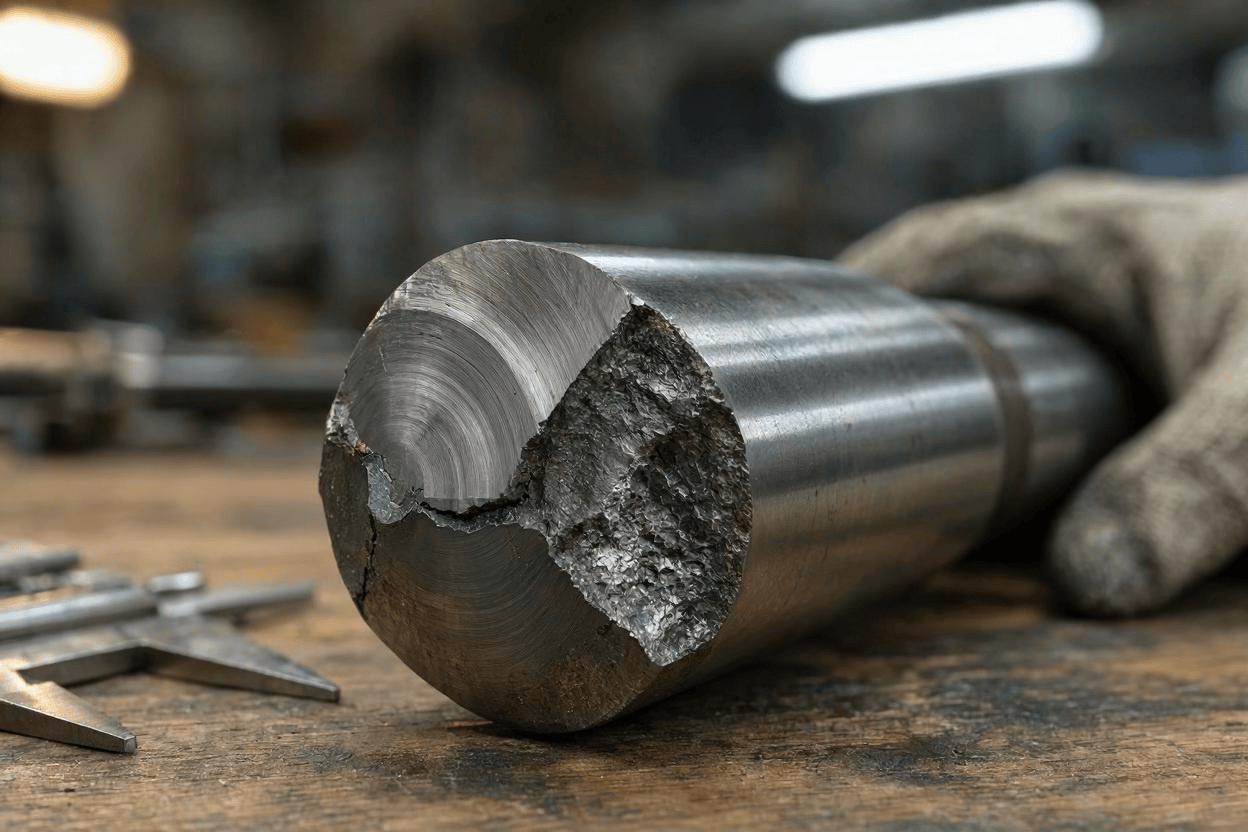
Industrial machinery is often designed to withstand demanding operating conditions, but even wellengineered components can deteriorate over time. A rotating shaft, welded frame, or mechanical connection may perform reliably for thousands of operating hours before suddenly developing cracks or failing altogether. In many cases, the underlying cause is mechanical fatigue.
Unlike failures caused by a single excessive load, fatigue develops gradually as components experience repeated or fluctuating stresses. Even when individual loads remain below a material’s yield strength, continuous stress cycles can eventually initiate cracks and compromise structural integrity.
For manufacturers, fatigue-related failures can result in unexpected downtime, expensive repairs, and reduced equipment reliability. Preventing these problems requires engineers to consider not only how much force a component can withstand, but also how it will perform throughout its intended operating life.
In this article, we explore what mechanical fatigue is, its common causes, and how engineering design can help prevent premature equipment failure.
What Is Mechanical Fatigue?
Mechanical fatigue is the gradual weakening of a material caused by repeated or fluctuating mechanical stresses. Over time, these stresses can initiate microscopic cracks that gradually propagate until the component eventually fractures.
Consider an industrial rotating shaft exposed to continuous bending or torsional loads. Each operating cycle introduces changes in the stresses experienced by the component. Although these stresses may remain within acceptable limits individually, repeated exposure can eventually cause fatigue damage.
Common machinery components susceptible to fatigue include:
- Rotating shafts and drive components
- Bearings and mechanical linkages.
- Welded structural frames and supports.
- Springs and suspension components.
- Gear teeth and transmission assemblies.
- Bolted connections exposed to fluctuating loads
Understanding fatigue behaviour is particularly important when designing machinery expected to operate continuously or withstand millions of loading cycles.
What Causes Fatigue Failure in Industrial Machinery?
Fatigue failure is rarely isolated to one issue; it is typically influenced by an intersection of operating conditions, material properties, component geometry, and manufacturing quality
1. Repeated and Cyclic Loading
Repeated loading is the primary catalyst for mechanical fatigue. Industrial machinery frequently involves rotating components, reciprocating mechanisms, and repetitive movements that expose materials to continuous stress cycles.
- Example: A rotating shaft experiences changing bending stresses during operation, while a conveyor system continuously subjects its supporting structure to repeated loading.
- The Fix: Engineers must evaluate not just the peak force a component experiences, but the total frequency of that force across its entire expected service life.
2. Stress Concentrations
Stress concentrations develop when specific areas of a component experience significantly higher localized stresses than the surrounding material. They commonly gather around:
- Sharp corners
- Holes & Grooves
- Threads and mechanical linkages.
- Abrubt, sudden changes in component dimensions
These geometric anomalies quickly become the baseline starting points for devastating fatigue cracks. Engineers can reduce these risks through smoother geometric transitions, appropriate fillet radii, and carefully designed mechanical connections
3. Material Selection
Different materials respond uniquely to repeated mechanical loading. Factors such as tensile strength, ductility, hardness, and material processing all heavily influence fatigue resistance.
Selecting materials based exclusively on maximum tensile strength does not guarantee long-term durability. Mechanical engineers must also factor in fatigue limits, operating temperatures, environmental exposure, and expected service life
4. Vibration & Dynamic Loading
Excessive structural vibration introduces unwanted, hidden cyclic stresses throughout mechanical assemblies. When operating frequencies approach a structure’s natural frequency, resonance can significantly amplify vibration amplitudes and drastically accelerate fatigue damage. Proper vibration management, balanced rotating assemblies, and suitable structural supports help minimize these risks.
Understanding the 3 Stages of Fatigue Failure
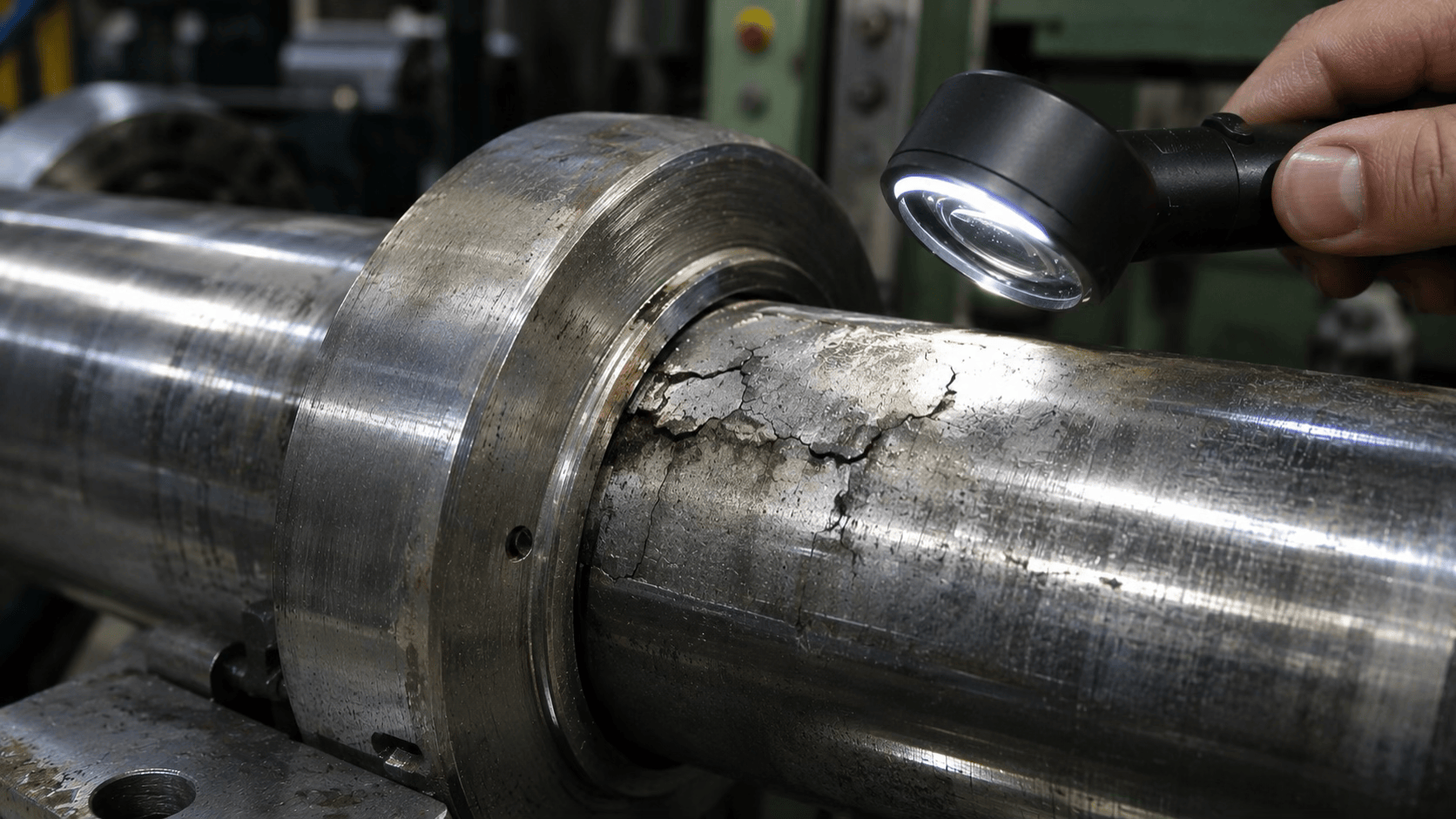
Fatigue failure generally develops through three stages:
1. Crack initiation: Repeated loading causes microscopic damage, often beginning around surface imperfections or localized stress concentrations.
2. Crack propagation: Continued stress cycles cause the crack to gradually grow through the material, reducing its ability to support the applied load.
3. Final fracture: Eventually, the remaining material becomes insufficient to withstand the operating forces, resulting in sudden component failure.
The underlying danger of fatigue is that components can appear to function flawlessly during stages 1 and 2. By the time visible damage becomes apparent to maintenance teams, the component may already be on the verge of total failure.
How Engineers Evaluate Fatigue Life
Predicting long-term performance is a critical element of mechanical engineering design. Modern engineering teams rely on two primary methodologies to evaluate durability before a machine ever hits the factory floor:
S-N Curves and Fatigue Testing
S-N curves illustrate the exact relationship between applied cyclic stress amplitude (S) and the number of cycles a material can withstand before failure (N). Generally, higher stress levels result in fewer cycles before fatigue failure, while lower stress levels can significantly increase fatigue life.
Engineers map these curves against material specifications to establish reliable baseline lifespan estimates.
Finite Element Analysis (FEA)
Finite Element Analysis allows engineers to evaluate complex stress distributions throughout a digital component model. By applying simulated, representative operating loads, engineers can:
- Identify hidden localized stress concentrations.
- Examine potential failure locations before manufacturing.
- Rapidly compare alternative design configurations.
When combined with appropriate material fatigue data, FEA supports highly accurate fatigue life predictions. However, accurate results depend entirely on using appropriate loading assumptions, correct boundary conditions, and high-fidelity model quality.
Engineering Strategies to Prevent Fatigue Failure
While fatigue risks cannot always be dropped to zero, thoughtful engineering decisions during the initial design stage can significantly reduce its likelihood and improve equipment reliability. The most effective engineering strategies include:
- Optimize Component Geometry: Avoid unnecessary sharp corners, reduce abrupt dimensional changes, and use generous fillet radii to eliminate stress concentrations.
- Select Tailored Materials: Evaluate fatigue limits and operating environments rather than relying exclusively on raw tensile strength.
- Control Structural Vibration: Implement precision-balanced rotating assemblies, strategic structural damping, and robust supports
- Improve Surface Quality: Utilize precise machining, fine finishing, and rigorous inspection to reduce surface imperfections where cracks initiate.
- Design for Real-World Operation: Explicitly account for startup cycles, sudden shutdowns, acceleration peaks, and fluctuating loads rather than designing solely for perfect, steady-state conditions.
In specialty applications, surface treatments like shot peening can also be introduced to build beneficial compressive residual stresses that actively resist crack propagation.
Why Fatigue Prevention Matters for Your Bottom Line
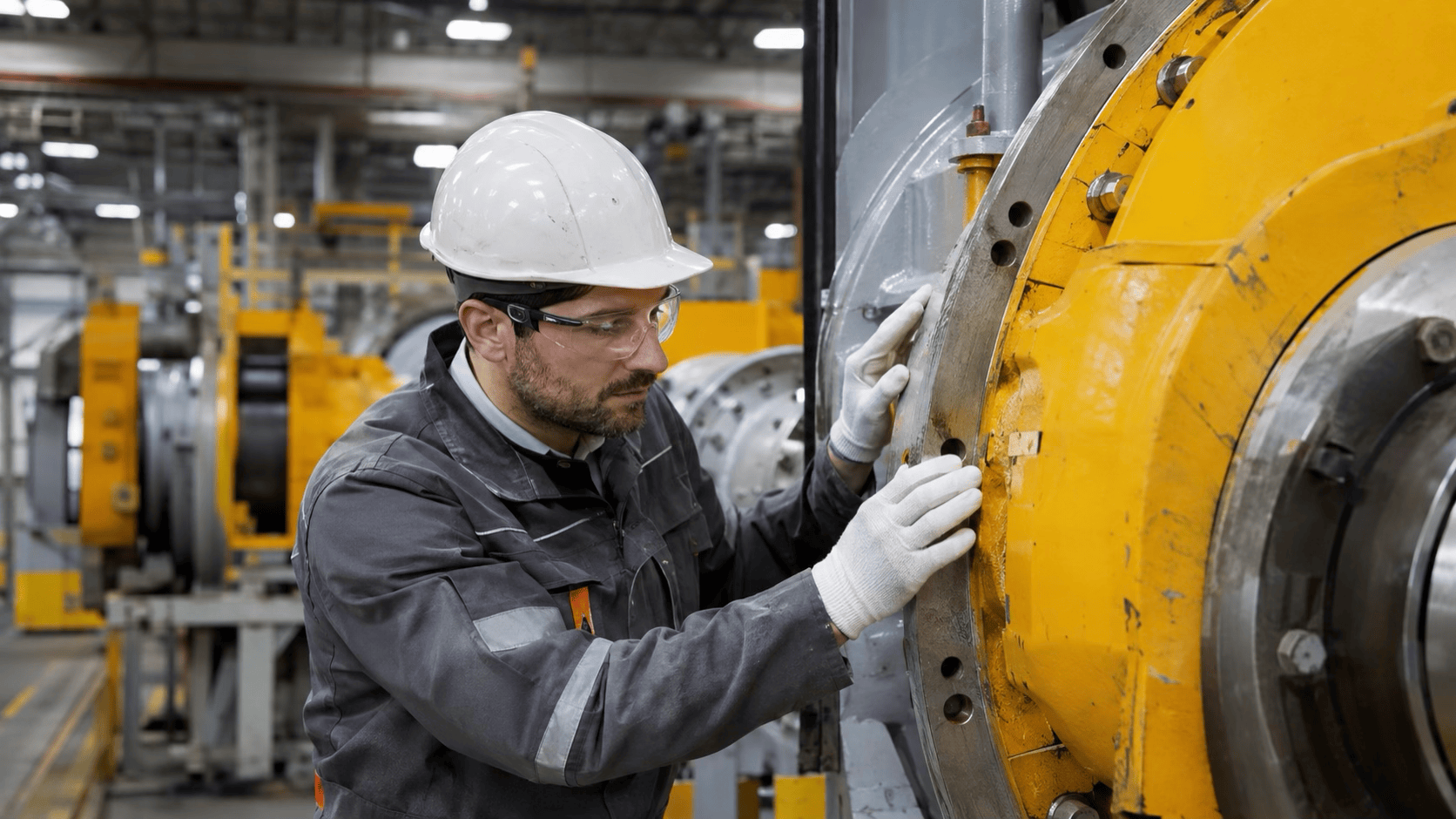
Preventing fatigue failure is not simply an academic exercise in extending component lifespans. It directly dictates your facility’s operational reliability, maintenance overhead, and overall manufacturing productivity.
A single failed shaft, structural support, or mechanical connection can trigger a domino effect—damaging surrounding components, halting entire assembly lines, and leading to astronomical emergency repair costs and unexpected downtime.
Furthermore, understanding fatigue helps avoid the trap of unnecessary over-engineering. Simply thickening a component or choosing a heavier, more expensive material isn’t always the right solution— and it drives up manufacturing costs. True optimization means understanding stress distribution so you can maximize durability while keeping production lean and cost-effective.
Designing Machinery for Long-Term Performance
At CustoMachinery, we bring over 22 years of mechanical engineering design experience to industrial equipment and custom machinery projects across Ontario. Our core engineering services are built to address these exact longevity challenges:
- CAD & 3D Modelling
- Advanced Finite Element Analysis (FEA)
- Rigorous Fatigue & Engineering Analysis
- Detailed, GD&T-Compliant Manufacturing Drawings
Whether you are developing brand-new industrial equipment, optimizing an existing machine line, or investigating a persistent component failure on your shop floor, our engineering team can pinpoint the root cause and deliver practical, robust solutions.
Contact CustoMachinery today to schedule a consultation and ensure your next engineering project is built for durability, reliability, and long-term performance.
Frequently Asked Questions
What is the difference between fatigue failure and overload failure?
Overload failure occurs when a single applied force exceeds a material’s ultimate strength, causing immediate deformation or fracturing. Fatigue failure develops progressively over time due to repeated loading cycles, even when those individual forces remain well below the material’s yield strength.
How do engineers catch fatigue cracks before they cause a failure?
During the design phase, engineers use FEA software and S-N curves to predict high-stress areas. For machinery already in operation, non-destructive testing (NDT) methods—such as dye penetrant testing, magnetic particle inspection, or ultrasound—are used to catch microscopic stage 1 and stage 2 cracks before final fracture occurs.
How can engineers predict fatigue failure?
Engineers use S-N curves, fatigue testing, analytical calculations, and Finite Element Analysis to evaluate stress distributions and estimate component fatigue life.
Does a stronger material always have better fatigue resistance?
Not necessarily. Selecting materials based purely on high tensile strength can sometimes result in more brittle components that are highly sensitive to stress concentrations and sharp notches. Ductility, surface finish, and microstructure are often just as critical for fatigue resistance.