
Heat is the quiet enemy of every machine on your production floor. It builds slowly, often without warning, and by the time you notice a problem, the damage is usually already done. Motors run hot, electronics fail early, lubricants break down, and precision parts warp just enough to throw off tolerances. The result is unplanned downtime, expensive repairs, and equipment that never quite lives up to its promised lifespan.
The good news is that overheating is almost always preventable. The secret is not bigger fans or more cooling bolted on after the fact. It is smart thermal management designed into the machine from the very beginning. In this guide, we break down what thermal management systems are, why they matter, and how thoughtful Machinery Design keeps your equipment cool, reliable, and productive for years.
What Is a Thermal Management System?
A thermal management system is the combination of components and design choices that control how heat is generated, moved, and released within a machine. Its job is simple to describe and difficult to master: keep every part of the equipment within its safe operating temperature range, no matter how hard the machine is working.
Every piece of industrial equipment produces heat. Motors, bearings, hydraulic systems, electronics, and friction points all convert energy into warmth. Without a plan to manage that heat, it collects in the worst possible places. A well-designed thermal management system guides that heat away from sensitive components and out of the machine safely and efficiently.
Why Overheating Costs You More Than You Think
When equipment overheats, the consequences reach far beyond a single hot afternoon. Here is what is really at stake:
- Shortened equipment life. Excess heat accelerates wear on bearings, seals, and electronic components. A machine built to last fifteen years can fail in five if it runs too hot.
- Unplanned downtime. Thermal shutdowns and heat-related breakdowns stop production without warning, and unplanned downtime is far more expensive than scheduled maintenance.
- Reduced performance. Many systems automatically throttle their output to protect themselves when they get too hot, so your machine quietly runs slower and produces less.
- Safety risks. Overheated equipment can create fire hazards, burn risks, and failures that endanger the people working nearby.
- Higher energy bills. A machine fighting its own heat works harder and draws more power to do the same job.
Understanding these stakes is the first step. Preventing them comes down to design.
How Thermal Management Actually Works
Heat moves in three ways, and good Mechanical Design uses all of them to keep equipment cool.
Conduction moves heat through solid materials. Choosing metals and alloys that pull heat away from hot components, and placing them where they matter most, is a core part of thermal control.
Convection moves heat through air or liquid. This is where cooling fans, ventilation channels, liquid cooling loops, and airflow paths come in. The layout of a machine has a huge effect on how freely air can move and carry heat away.
Radiation releases heat from surfaces into the surrounding environment. Surface area, finish, and component spacing all influence how effectively a machine sheds heat this way.
A strong thermal management system blends these three methods into one coordinated plan. Heat sinks pull warmth from critical parts, fans and vents move it through the machine, and careful component placement makes sure hot spots never build up in the first place.
The Role of Machinery Design in Keeping Equipment Cool
Here is the part most people miss. Thermal management is not an accessory you add at the end. It is a design decision you make at the beginning. The single biggest factor in whether a machine overheats is the quality of its Machinery Design.
Smart design considers heat from the first sketch. Where will the hottest components sit? How will air flow through the enclosure? Which materials will conduct heat away and which will trap it? How much space do sensitive electronics need from heat-generating parts? These questions shape everything from the frame layout to the placement of a single sensor.
When these choices are made early, cooling becomes simple and efficient. When they are ignored, engineers are forced to patch problems later with oversized fans, awkward vents, and workarounds that add cost and noise while rarely solving the root issue. A machine designed with heat in mind almost always outperforms one that was cooled as an afterthought.
How Mechanical Design and Simulation Prevent Overheating
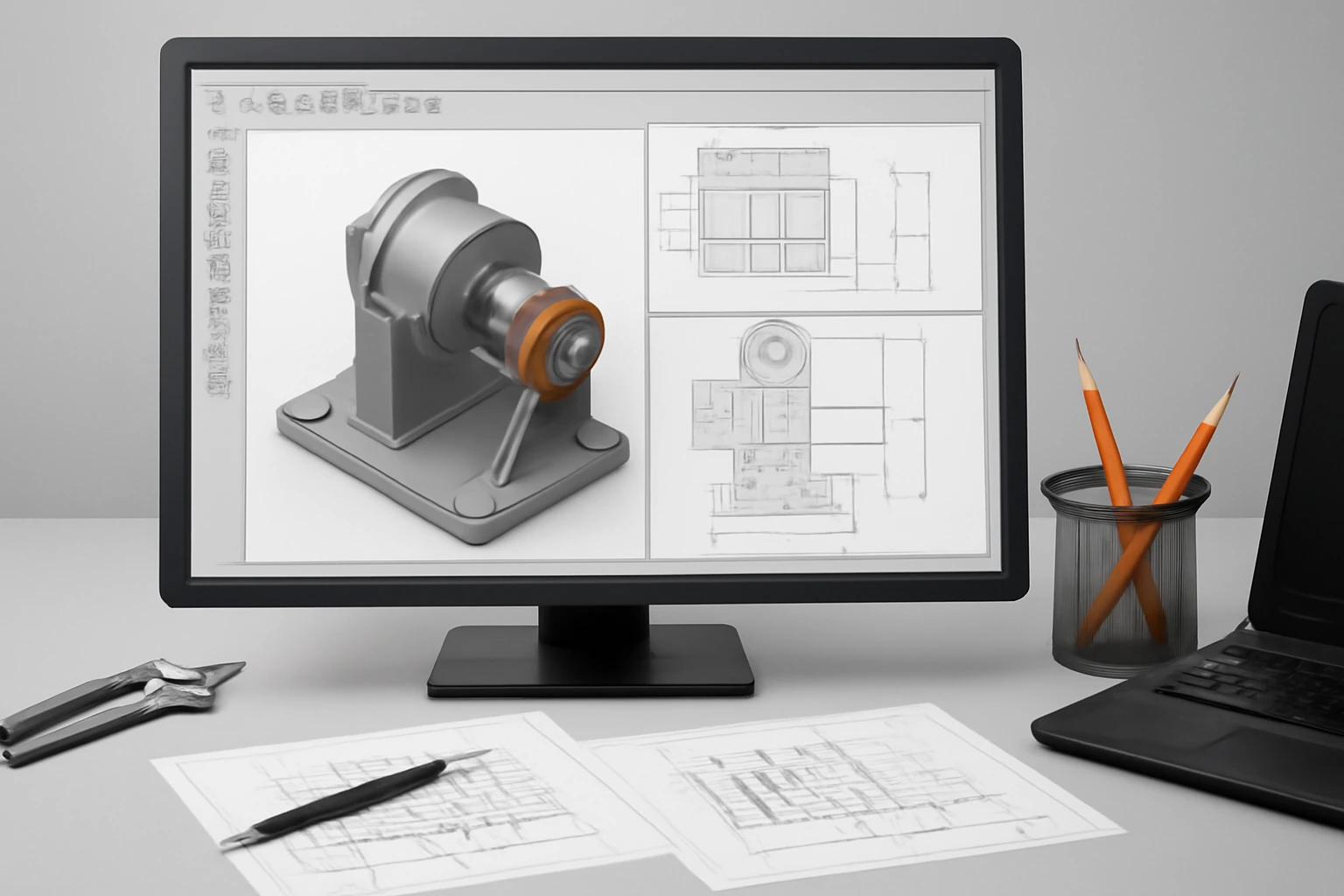
Modern Mechanical Design does not leave thermal performance to guesswork. Before a machine is ever built, engineers can simulate exactly how heat will behave inside it.
Using tools like finite element analysis, designers create a digital model of the machine and run virtual tests to see where heat will collect, how hot each component will get, and whether the cooling strategy is working. If a hot spot appears in the simulation, the design can be adjusted before a single part is manufactured. This saves the enormous cost of discovering a thermal flaw after the equipment is already on the floor.
This simulation-driven approach turns thermal management from a gamble into a science. It lets engineers optimize airflow, choose the right materials, size cooling components accurately, and confirm the machine will stay cool under real-world loads. The result is equipment that runs reliably, lasts longer, and performs exactly as intended.
Signs Your Equipment Has a Thermal Problem
Not sure if heat is holding your machines back? Watch for these warning signs:
- Components that feel hotter than usual to the touch
- Frequent thermal shutdowns or error codes
- Parts failing sooner than expected, especially bearings and electronics
- Performance that drops during long production runs
- Rising energy costs with no change in output
If any of these sound familiar, your equipment may be running hotter than it should, and a design review could reveal exactly why.
Keep Your Equipment Running Cool With CustoMachinery
Overheating does not have to be part of doing business. With the right thermal management built into your equipment from the start, you get machinery that runs cooler, lasts longer, and delivers consistent performance day after day.
At CustoMachinery, we bring over 22 years of engineering experience to every project, designing custom machinery with thermal management planned in from the first concept. Our team uses proven Mechanical Design methods and advanced simulation to keep your equipment safely within its operating range, no matter how demanding the job.
If your equipment is running hot, or you are planning a new machine and want to get the thermal design right the first time, we are ready to help. Contact CustoMachinery today to talk through your project and build equipment that keeps its cool under pressure.
Frequently Asked Questions
What is thermal management in industrial equipment?
It is the set of design choices and components that control how heat is generated, moved, and released inside a machine, keeping every part within its safe operating temperature.
Can thermal problems be fixed after a machine is built?
Sometimes, but fixes added later are usually more expensive and less effective. The best results come from planning thermal management into the machinery design from the start.
How does simulation help prevent overheating?
Engineers use tools like finite element analysis to model heat behavior before building the machine, spotting hot spots early so the design can be corrected before manufacturing.