
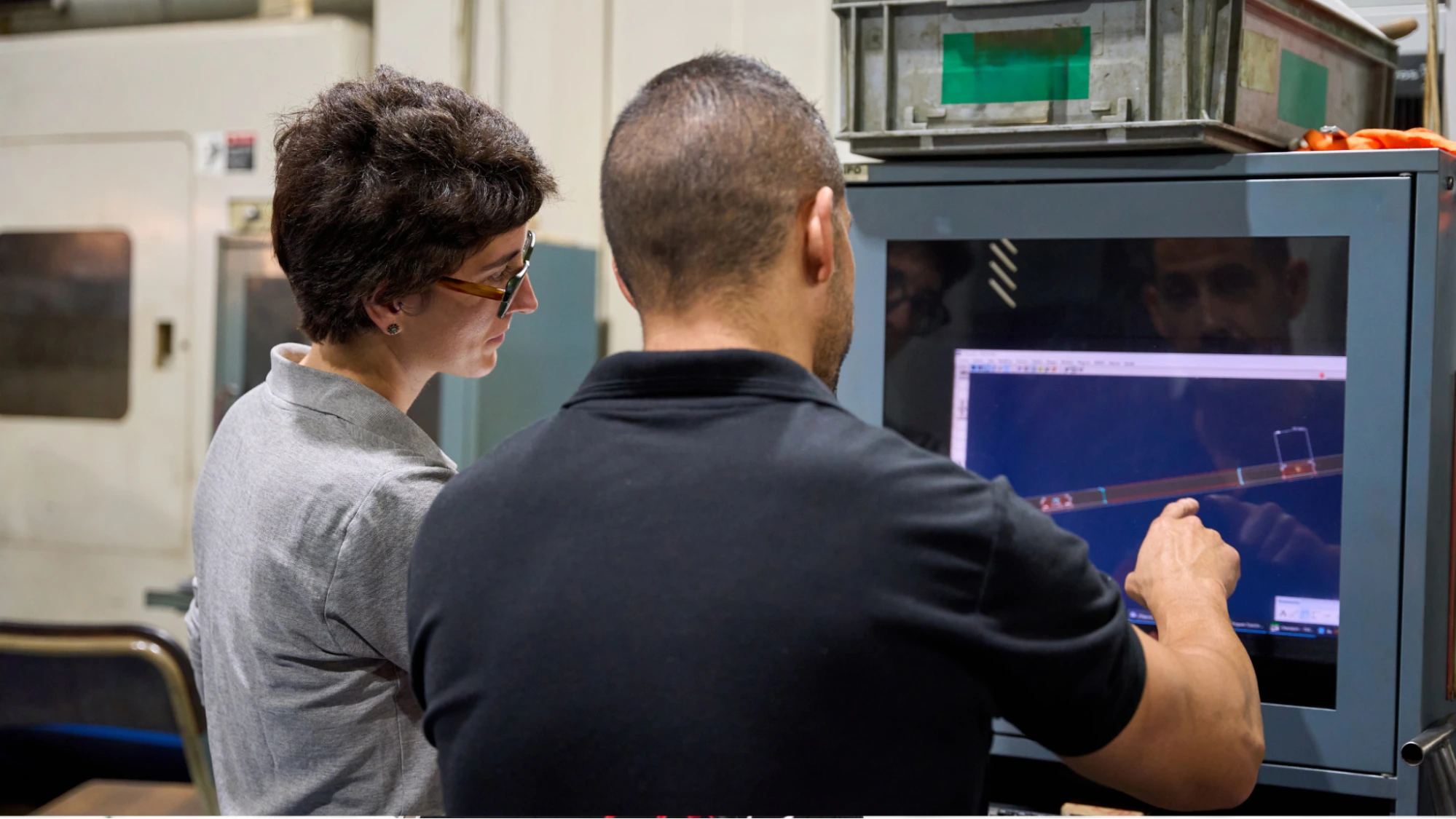
There is a common misconception in the engineering world that Finite Element Analysis is a validation step. Something you run at the end of the design process to confirm what you already believe to be true. In reality, treating FEA as a final checkbox is one of the most expensive mistakes a machinery manufacturer can make. By the time a design reaches that late stage, tooling has been ordered, materials have been sourced, and timelines are locked in. Discovering a structural weakness or thermal issue at that point does not just mean going back to the drawing board. It means burning through budget, pushing delivery dates, and eroding client confidence.
The smarter approach, and the one that consistently produces better outcomes, is integrating Finite Element Analysis early and often throughout the design process. At CustoMachinery, we have seen firsthand how early-stage FEA transforms project outcomes, reducing redesign cycles, catching failure points before they become physical problems, and giving our clients the engineering confidence to move forward without second-guessing.
Understanding What Finite Element Analysis Actually Does
Before discussing timing, it helps to understand what Finite Element Analysis brings to the table. FEA is a computational method that breaks a complex structure into thousands of smaller elements and simulates how those elements respond to real-world conditions like mechanical loads, thermal stress, vibration, pressure, and fatigue cycles. Instead of relying on simplified hand calculations or physical prototypes alone, engineers can visualize exactly where stress concentrations occur, how a part deforms under load, and whether a design will survive the operating conditions it was built for.
The power of FEA is not just in finding problems. It is in finding them digitally, where changes cost hours instead of weeks, and dollars instead of thousands. That is why the question of when to integrate Finite Element Analysis is so critical. The earlier you run it, the more leverage you have to act on what it reveals.
The Conceptual Design Phase: Where FEA Delivers the Highest ROI
The single highest-value point to introduce Finite Element Analysis is during the conceptual design phase, before detailed drawings are finalized and long before manufacturing begins. At this stage, the design is still fluid. Geometry can be adjusted, materials can be swapped, and load paths can be rerouted without triggering a cascade of downstream changes.
Running FEA on early concepts allows engineers to compare multiple design directions quickly. Should the frame use a box section or an I-beam profile? Is a bolted joint sufficient, or does the load path demand a welded connection? Will a lighter alloy hold up under cyclic loading, or does the application require a heavier but more durable steel? These are the kinds of questions that Finite Element Analysis answers with data, not gut feeling. And answering them at the concept stage means the detailed design phase starts on a stronger foundation with fewer unknowns.
During Detailed Design: Refining and Optimizing
Once the concept is locked in, the detailed design phase is where FEA shifts from broad comparison to precision optimization. This is where engineers refine wall thicknesses, fillet radii, bolt patterns, weld locations, and support structures. Running Finite Element Analysis at this stage answers more granular questions. Is the safety factor adequate at every critical joint? Are there stress concentrations near holes, notches, or sharp transitions that could initiate fatigue cracks? How does the assembly behave under combined loading, not just a single static force but the actual operating environment with dynamic loads, thermal gradients, and vibration?
Iterating with FEA during detailed design is where you squeeze the most performance out of a structure without over-engineering it. Over-engineering might sound safe, but it adds unnecessary material cost, increases weight, and can actually create new problems in machinery where balance, speed, and precision matter. Finite Element Analysis gives you the confidence to optimize rather than over-build, hitting the sweet spot between strength, weight, and cost.

Before Prototyping: Reducing Physical Testing Costs
Physical prototyping and testing remain important, but they are expensive and time-consuming. Every prototype that fails a test represents wasted material, wasted machining time, and wasted calendar days. Running a thorough round of Finite Element Analysis before committing to a prototype dramatically reduces the risk of a failed test. It allows engineers to identify and fix the most likely failure modes in the digital environment, so the physical prototype is far more likely to pass on the first attempt.
This does not mean FEA replaces physical testing entirely. Certain real-world variables, like manufacturing tolerances, surface finish effects, and environmental factors, are difficult to simulate perfectly. But a design that has been rigorously validated through Finite Element Analysis before prototyping will almost always require fewer test iterations, saving significant time and money.
During Design Changes and Modifications
Machinery rarely stays static after the initial build. Clients request modifications, operating conditions change, throughput requirements increase, or components need to be upgraded. Every one of these changes introduces the risk of unintended consequences. A bracket that was perfectly adequate for the original load may not survive the increased force from a heavier motor. A frame that handled steady-state operation beautifully may develop resonance issues when a new drive system changes the vibration profile. Running Finite Element Analysis on every significant design change, no matter how small it seems, is the most reliable way to catch these issues before they become failures in the field. Our engineering services include FEA-driven modification assessments for exactly this reason.
The Cost of Waiting Too Long
When Finite Element Analysis is left until the end of the design process, the findings often arrive too late to act on efficiently. A stress concentration discovered after manufacturing drawings are released means revising drawings, reissuing purchase orders, and potentially scrapping partially completed parts. A resonance issue found during commissioning can delay an entire production line. The later a problem is found, the more expensive it is to fix. Industry data consistently shows that the cost of fixing a design flaw increases by a factor of 10 at each stage, from concept to detail design to prototyping to production. Integrating FEA early does not add cost to the project. It prevents costs that would otherwise snowball.
What a Good FEA Integration Looks Like
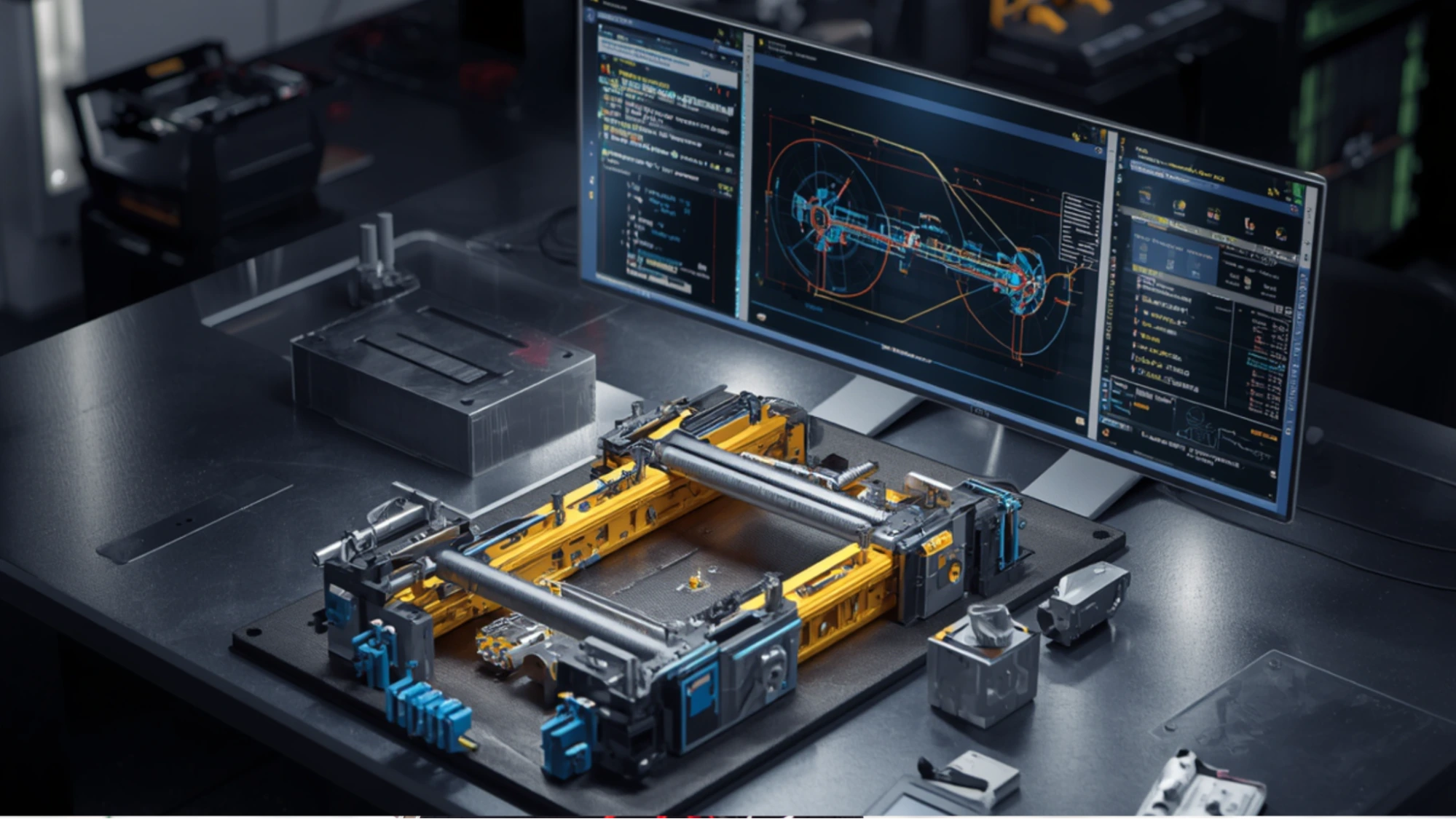
The most effective approach is to treat Finite Element Analysis as a continuous thread running through the entire design process, not a one-time event. That means quick feasibility simulations at the concept stage, detailed stress and fatigue analyses during design refinement, pre-prototype validation runs, and modification assessments throughout the machine’s lifecycle. At CustoMachinery, this is how we approach every project. FEA is embedded in our design workflow from day one, giving our clients engineering certainty at every milestone.
Build It Right the First Time
If you are designing custom machinery and want to reduce risk, cut redesign cycles, and deliver equipment that performs reliably from day one, Finite Element Analysis needs to be part of the conversation from the start. Contact CustoMachinery to discuss how we integrate FEA into every stage of the design process and how it can save your next project time, money, and headaches.
Frequently Asked Questions
Q: What is Finite Element Analysis and why is it important in machinery design?
A: Finite Element Analysis is a computational simulation method that predicts how a structure responds to real-world forces, heat, vibration, and pressure. It is important because it identifies potential failure points and design weaknesses digitally, allowing engineers to resolve issues before manufacturing begins, which saves significant time and cost.
Q: At what stage of design should Finite Element Analysis be introduced?
A: Finite Element Analysis delivers the highest value when introduced during the conceptual design phase and continued through detailed design, prototyping, and any future modifications. Early integration allows engineers to compare design options with data and catch problems when changes are still inexpensive to make.
Q: Can Finite Element Analysis reduce the number of physical prototypes needed?
A: Yes. Thorough Finite Element Analysis before prototyping identifies and resolves the most likely failure modes digitally, meaning the physical prototype is far more likely to pass testing on the first attempt. This reduces material waste, machining costs, and project timelines.